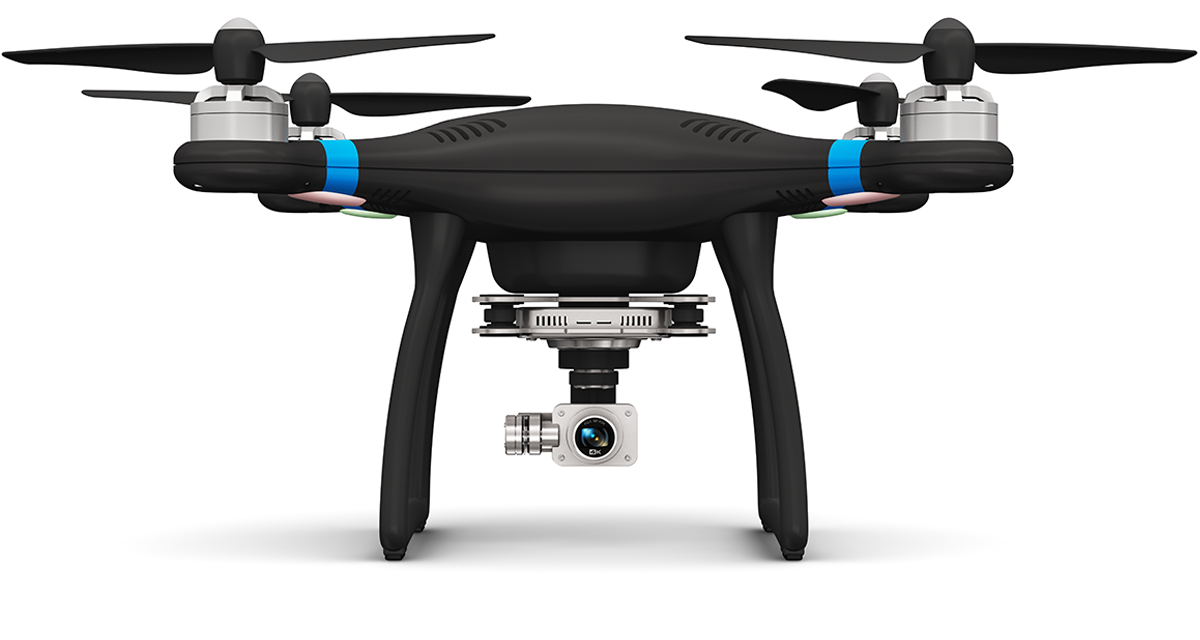


We help with our expert network to develop a tailor made solution suitable for your industry , operations to safeguard your business against environmental accidents costs , increaingly big fines, reputation issues. From designing and maintaining facilities, containment integrity is a duty of companies to protect people and environment to reduce the risk of loss and eliminate leaks of materials that could have a damaging effect on the environment. Adequate systems and barriers need to be in place to test, maintain and inspect equipment critical to containment, to implement good practices in the operations. The objective is to reduce leaks by routinely measuring products, feed stocks and other materials at appropriate frequencies and make further investigations if the tests and measurements indicate a leak that would have a negative effect on the environment.
EXPLORE
our environment monitoring solutions
Environmental assessment
The environmental assessment also known as an environmental Impact Assessment (EIA) is a management tool to assess implications of major projects beyond being just a legal requirement. This helps companies build their environmental profile.
Most business activities impact on the environment in that they use natural resources and generate by-products which have to be discharged. A systematic analysis of hazards and environmental sensitivities distinguishes two main types of environmental hazards: firstly usage of resources, the fundamental pre-requisites for activities, and secondly discharges. Both types of hazards are, potential sources of environmental effects. We help with tools for a systematic environmental assessment and a your data-based environmental profile.

Emission to air control
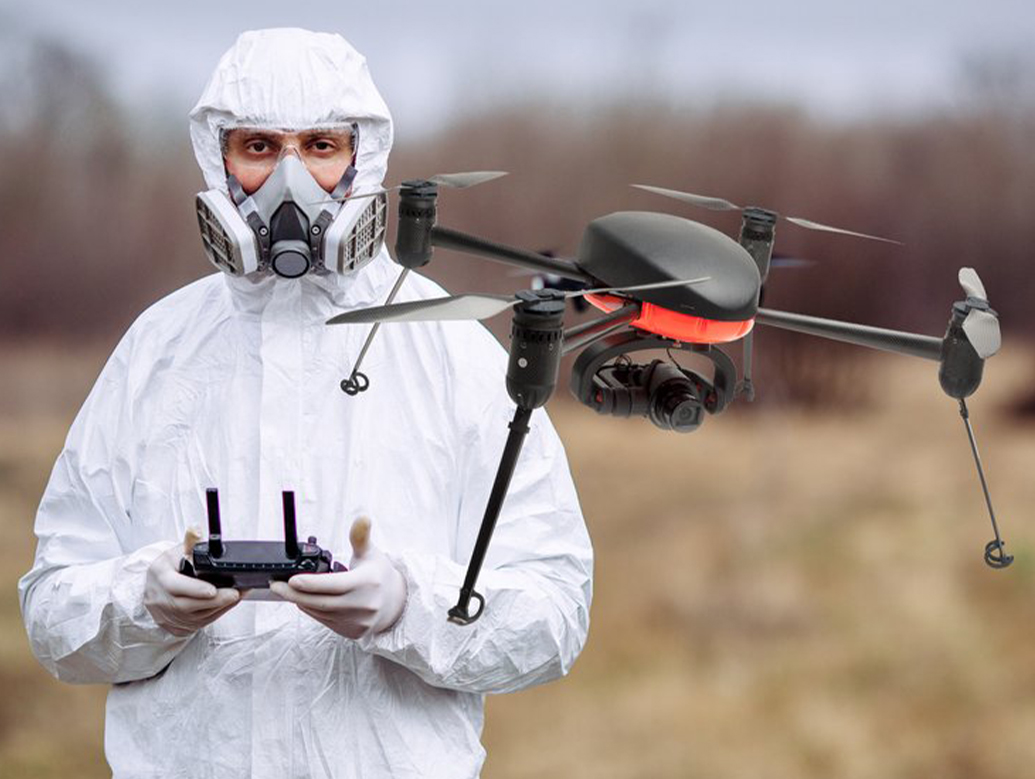
We help build pollution prevention plan and control mechanisms with our drones equipped with adequate sensors and other measuring tools to detect any possible migration of contaminants into the air. This is done primarily through first systems,
appropriate inspection, maintenance programmes that need to be in place to ensure equipment impacting air emissions function correctly. Then the plan should include a selection of appropriate equipement, fuel used in the operations process and finally with immediate recovery measures in case of accidental release. Emissions to air (ex: SO2 and NOx..) must be measured and constantly monitored for compliance to own and approved international regulation.

Discharge to water control
We help build pollution prevention plan and control mechanisms from the environmental risk assessment of the potential for soil and groundwater contamination in accordance with the relevant standards. Control measures should span across and/or remediation
measures where soil and/or groundwater contamination is detected. Discharge to an offsite wastewater treatment plant should meet applicable pre-treatment requirements, treated and stabilized to reduce concentrations of toxics to acceptable levels. Our specialized drones offer an effective and suitable monitoring tool.
Hazardous material leakage
Our specialized drones provide monitoring of your hazardous material storage and leakage. We provide loss monitoring, regular measurements of contents for all tanks, and key equipment critical to containment and/or leak detection or equivalent testing for pipelines to determine potential leakage.
Even when not in use, chemicals can still pose a risk. Flammable and oxidising chemicals may cause or contribute to a fire, corrosive chemicals can injure people, damage property and structures they come into contact with and toxic chemicals can poison people who are exposed to them. Compressed gases can also suffocate or poison workers if they leak. It’s critical to identify incompatible chemicals as well. When incompatible chemicals mix they may ignite or explode, release toxic, flammable or corrosive gases, or corrode chemical containers, causing them to leak. Damaged or uncapped containers can create invisible vapour clouds that accumulate indoors, especially if the storage area does not have adequate ventilation. Identified hazardous chemicals need to be stored safely in a way that minimises the chance of any incident. We help with a full review and monitoring
Waste storage monitoring
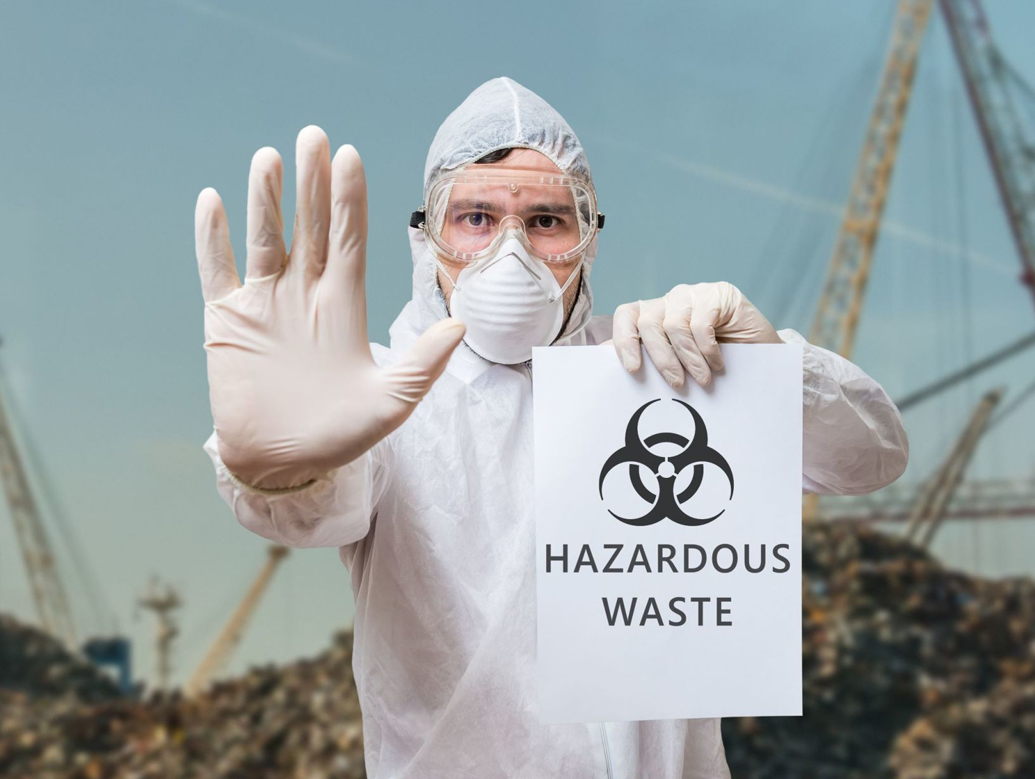
We support implementation at the sites of management and control systems to minimize waste from the design of the installations or upgrades phases. Hazardous and non-hazardous wastes need to be clearly identified and appropriately stored, managed and disposed
of in the right and approved manner using approved sites, methods and contractors.
We provide options for waste oils that cannot be disposed of to drains or watercourses or sensitive environmental areas. In cases when contractors are used for disposing of wastes, companies are still responsible for these waste and thus must ensure contractors provide them with confirmation that disposal to drains watercourses or sensitive environmental areas are not being used
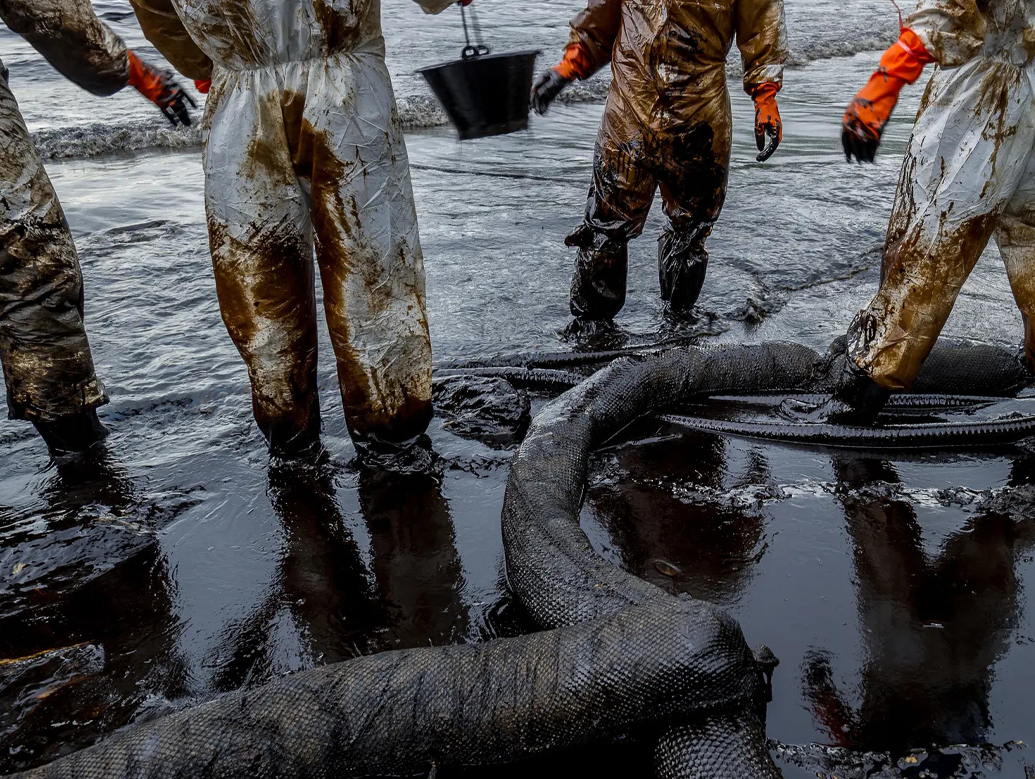
Emergency response
Environmental incident prevention starts with initial environmental risk assessment for which we provide support. This assessment should consider potential environmental emergencies and extend to those related to critical loss of containment and operational releases of dangerous substances
chemicals, oil products, dust… Emergency scenarios should be built in the emergency planning and plans should be in place to minimize impacts of such emergencies on the environment in accordance with relevant national and internationally recognized standards. There’s more value for companies to maintain a response plan for chemical spills on land and water associated with their own operations, maintain resources to mitigate the effects of such operational spills, emission associated with their chemical handling operations
Smart environment services for businesses